
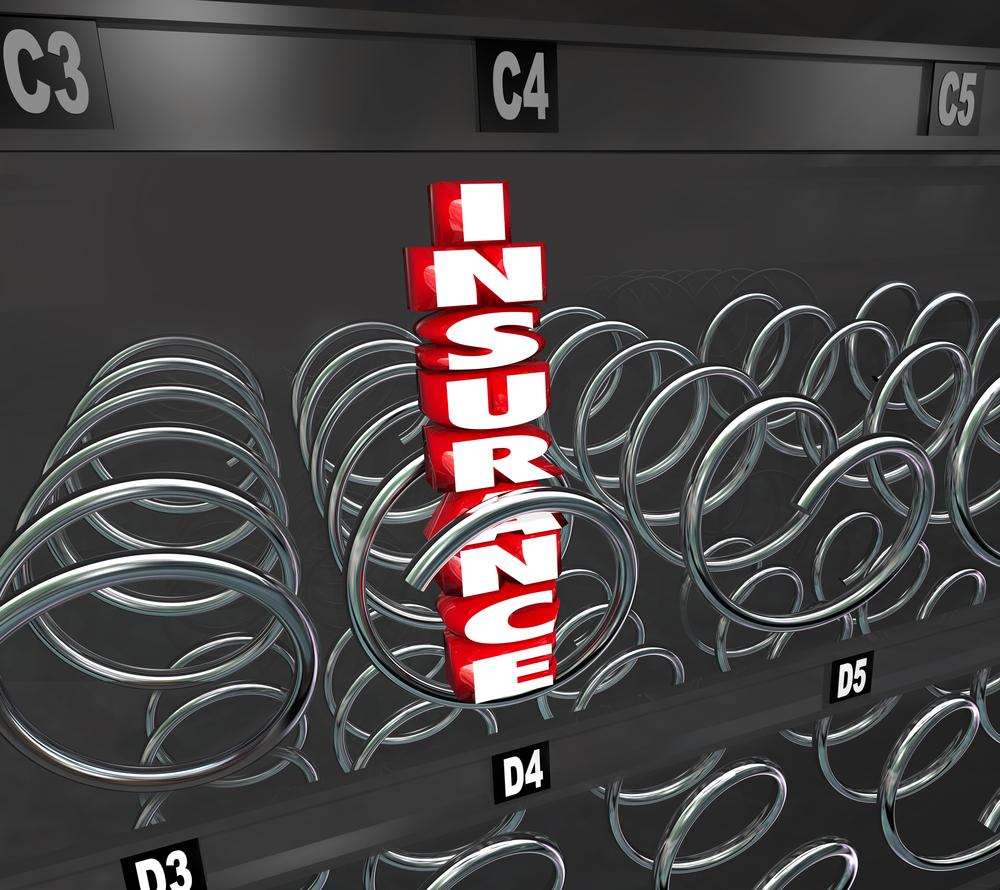
Military Finances 201: Life Insurance Vending Machines
Insurance Managing Your FinancesLife Insurance Vending Machines? Yup they were a thing. I remember them and I’ve found a few pictures of them on-line (all the photos have publication limits on them). They existed in airports and provided insurance for the flight you were about to get on (one does have to wonder that if you really thought that you needed insurance for your upcoming flight, why would you get on the plane?).
How Did the Life Insurance Vending Machines Work?
The “customer” would fill out a form with some basic information…the most important perhaps being the flight number. After completing the paperwork, the client would deposit a few quarters for several thousand dollars’ worth of insurance and be issued a policy. The machine would then issue an insurance certificate. Then it gets a bit unclear for me. I guess the insured would then give the certificate to the beneficiary (people used to go into airports to “see off” their travelers). I have to imagine taking the policy with you wouldn’t be the best idea.
What Do Life Insurance Vending Machines Teach Us?
The cost for the insurance was extremely low. Literally pennies on the hundreds of dollars. Why is this? Because the likelihood of payout was very low. The insurance company would collect a lot of pennies and likely not pay out anything. That is actually a principal of insurance. You want to insure risks that are unlikely to occur and would be catastrophic if they do. Crashing on your upcoming flight? Unlikely. But…catastrophic. On first glance, it seems like the risk is worth insuring. But let’s peel bit the onion a bit. If it would be catastrophic for me to die today, would it matter if I die on an airplane or in a car accident going to my hotel after the flight? It doesn’t. So, I don’t want insurance that only pays if I die due to a specific cause. I want insurance that pays regardless of how I die.
Is There a Modern-Day Equivalent of the Life Insurance Vending Machines?
I think there are at least two. The first is Accidental Death and Dismemberment Insurance (AD&D). AD&D pays if you die from an accident (or get dismembered due to an accident). It is often offered as an employee benefit. Let’s go back to the idea of the catastrophic event. If you die prematurely, it is likely catastrophic regardless of cause. In fact, you could make the argument that might be worse for your family if you die from a sudden or lingering illness (due to medical expenses). Therefore, you want insurance that pays regardless of the circumstances of your death.
The other equivalent might be the on-line insurance brokers (you know the ones…"Dad was heathy until he suddenly died at 57"…makes you wonder how healthy he really was. "You should go on-line and apply now with no underwriting"). These on-line brokers and policies are convenient like the vending machines and they prey on fear. But if you buy without underwriting, you’ll likely pay a premium based on someone who isn’t all that healthy. You might be much better off to go through the process of underwriting and secure a lower premium. Just like people who bought from the vending machine and didn’t pay a different premium based on where they were going, you’ll likely pay the same premium as everyone who clicks on the link.
What are the Lessons Learned?
Nobody likes to talk about insurance. Every type involves something bad happening to you. But there are some things to keep in mind:
- Insure risks that are unlikely to occur and catastrophic if they do (take a look at your dental insurance)
- If you need the coverage for a specific event, you probably need it all the time. Purchase insurance that is always in force (maybe after an elimination period)
Military Finances are Different
I think you could make the argument that everyone, civilian and military/veteran, needs to protect against unexpected death. But that is about the end of the similarity. Military members and retirees are/can be covered by SBP. Certain Veterans qualify for compensation for the spouses and children if they were to pass away. That is why we think Active and Retired Senior Military Officers and NCOs should work with a financial planner/advisor that deals with your unique situation each and every day. If you'd like to find out how we work with people just like you, use the button below to schedule a free, initial consultation.
If you found this article useful, you might like the following blog posts:
Military Finances 101: A Second to Die Life Insurance Primer
Retired Military Finances 301: ILITs
Is SBP Expensive?